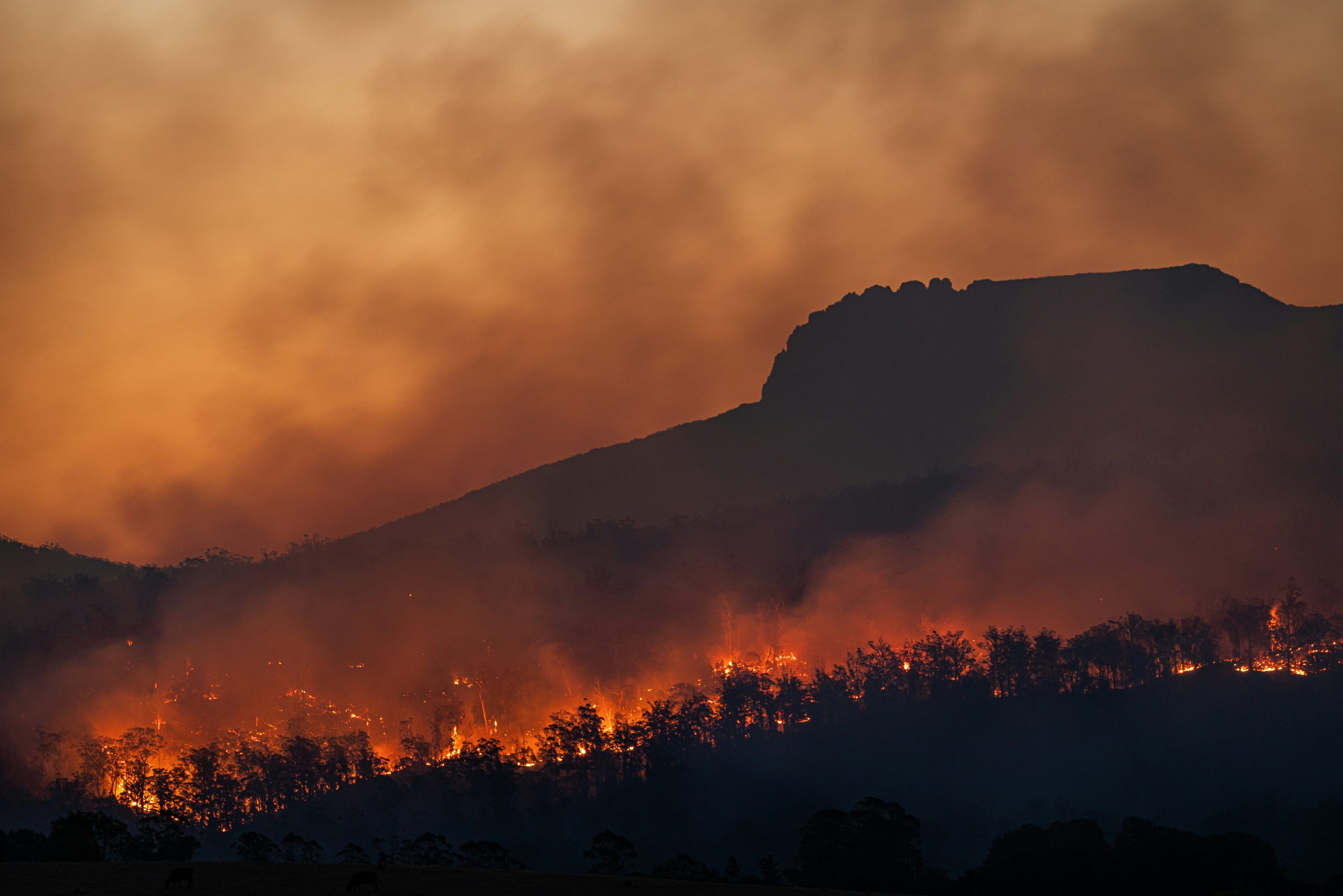
Summer wildfires are increasing in number every year, and sadly, increasing in size, damage and casualties as well. They can also wreak havoc on Colorado roads and put motorists in danger. Colorado regional truck drivers are far from exempt, either.
Wildfire safety is part of the new reality for southwest truck drivers (and, frankly, truck drivers everywhere). Make sure you know what to do during smoky conditions, and also what to do if you drive straight into the path of a fire. And of course, be proactive about fire safety in the first place.
Here’s a five-minute roundup of staying safe (and healthy) while trucking during wildfire season.
Practice fire safety
As Smokey the Bear has told us for decades: only you can prevent forest fires. Fire safety is everyone’s responsibility, truck drivers included. When conditions in Colorado are bone dry, take extra steps to avoid becoming part of the problem.
Of course, we feel the need to add: be fire smart at all times, and not just during the summer dry season!
Once you hit the road, here’s how to haul safely in Colorado fire season…even if wildfires aren’t active in your area.
Expect sudden road closures
What makes wildfires so dangerous is even slight changes in the weather can change their course. This means that within hours, regions thought to be safe may suddenly be under an evacuation advisory (more on that in a moment). And THAT means unplanned road closures, possibly for the long-term.
If you’re trucking in Colorado in summertime, be prepared for wildfire-related road closures.
It’s good to remember, though, to expect the unexpected while trucking in wildfire season. Plan ahead, but also plan for plans to change.
Protect yourself from smoke
Wildfire smoke can travel hundreds of miles from its source. Even if you’re nowhere near an active fire, you might have to deal with smoke while you’re on the road.
We don’t have to tell you (but we will anyway): smoke reduces visibility and is toxic for your lungs. If you need to drive through an area with poor air quality, here’s how to protect yourself.
Remember: if you feel the smoke is too heavy for you to safely continue, then get off the road. Depending on conditions, you may have to divert from your planned route anyway. That brings us to our most important point of all:
If you drive into a fire zone
As we mentioned earlier: wildfires can be unpredictable. Despite your best-laid plans, you may end up driving into a fire zone. If this happens, stay calm (I know, we say this a lot) and follow these recommendations from the Colorado Department of Transportation:
This is an unlikely scenario, but not an impossible one either. If you end up hauling into a fire zone, keep your head, follow directions, and get yourself to safety.
Whether we like it or not, summertime wildfires are part of the new normal for Colorado truck drivers. Be prepared, know the best ways to stay safe, and you can protect yourself and everyone else on the road.
To enjoy the haul no matter what Mother Nature throws at us, check out Truline’s current opportunities, and join our team today.
